5 minutes to read
We’re here to answer all your questions through simple answers and comparisons. Since cold meats are basically made out of diced meat, the use of casings or ‘casings’ becomes a necessity, in order to make them more durable and protect them from outside influences while ensuring conservation. However, while the tradition of using animal casings is still very much present in Latin America, there has been an evolving change in trends.
In developed countries, for example, collagen casings have been used for a few years now. However, along with this trend, we can see that the end consumers of cold meats are already becoming more demanding. Not only do they look for more attractive looking products, but they’re also prioritizing health, safety, and sustainability. These factors contributed towards an accelerated disruption through the use of new collagen casings in the market.
Still, major and medium-sized cold meat players and producers show that there are questions that must be answered regarding the use of collagen. This post will answer the key questions companies may have and help you choose the best supplier for your business. Keep on reading!
How collagen casings s are produced
Unlike animal casings made out of intestines, collagen casings are made out of protein from animal dermis, under bovine or pork skin or hide, which makes them equally natural.
Since they ensure improved productivity and reduce costs, they are becoming more commercially viable and popular, especially now that their texture more closely resembles that of animal casings. Moreover, their benefits have also taken the spotlight, reaching both cold meat producers and end consumers.
The main questions surrounding collagen casings
Questions about collagen casings are common and the lack of knowledge about them often results in perpetuating a tradition of using animal casings, preventing the adoption of a more modern culture focused on sustainability. This section will answer the main questions about collagen casings that are still permeating the industry.
Are collagen casings edible?
Yes. Collagen casings are natural, edible casings made from collagen extracted from hand-picked bovine dermis.
Do they need to be hydrated?
No. Collagen casings are ready for use. They must simply be put through the machines to produce the cold meats. Even washing and rinsing becomes unnecessary, greatly decreasing the need for manual handling and reducing the risk of contamination.
Are collagen casings s harmful to human health?
No. Collagen is the primary raw material of this type of casing, and there are no risks to end consumers’ health since it is a natural protein that is easily absorbed by the human organism.
What are the primary advantages of collagen casings compared to animal casings?
There are numerous benefits of collagen casings compared to animal casings, both for the cold meats industry and the end consumer. Below are some of these benefits:
- improved humidity preservation inside the product: unlike bovine casings, which may lose their natural humidity with time (especially close to their expiration date), collagen casings are better at conserving humidity due to a less porous surface, allowing the cold meats to maintain consistency;
- better cost-benefit aspects: due to a lack of losses during the manufacturing process, using collagen casings results in less expenses for the cold meats industry;
- lack of unpleasant odors and/or flavors: compared to animal casings that can emit a strong odor after a long period of time without oxygenation, collagen casings will not emit any similar odors even after absorbing them in storage;
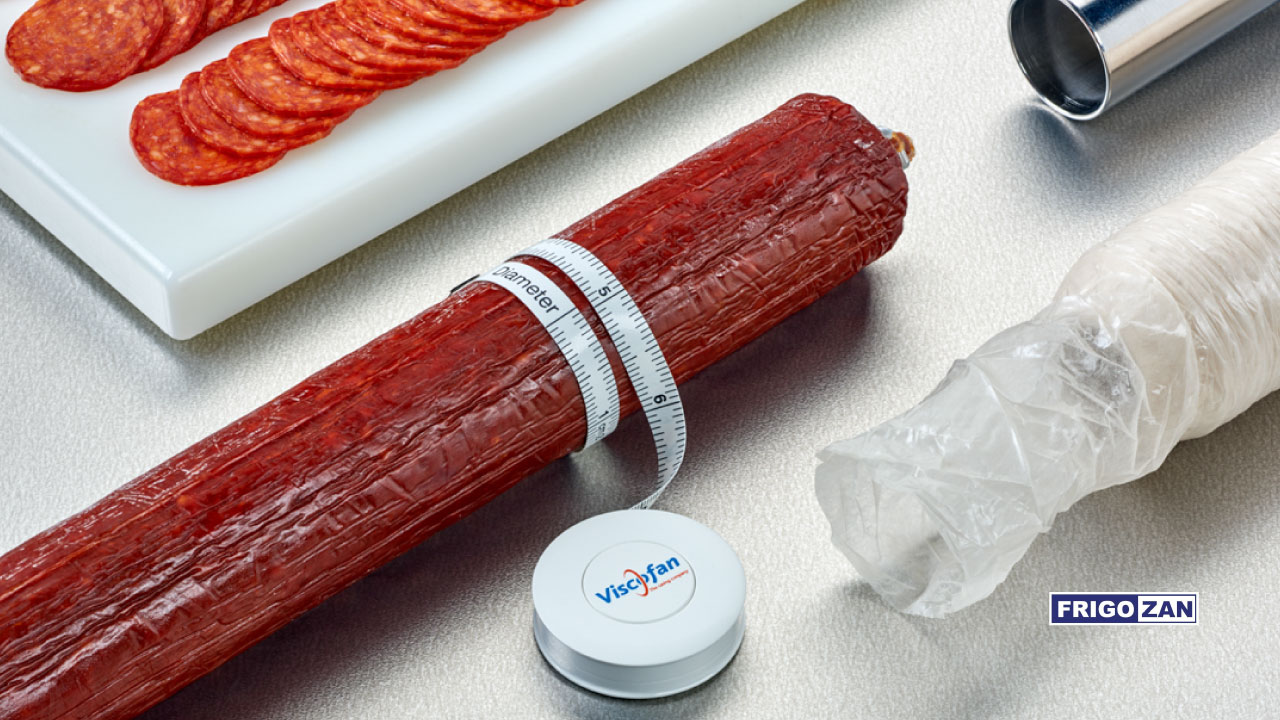
- visual consistency: animal casings are made from intestines, as stated earlier, which makes them more likely to have imperfections like tears or holes, hindering standardization. Collagen casings, on the other hand, provide a more consistent aspect, making it the best choice for industrial-scale production processes and ensuring the cold meats are given a more attractive visual appearance for end consumers.
What are the primary uses of collagen casings ?
To put it simply, the main uses of collagen casings include:
- fresh sausages (calibers usually below 40);
- smoked/cooked sausages (calibers usually below 50);
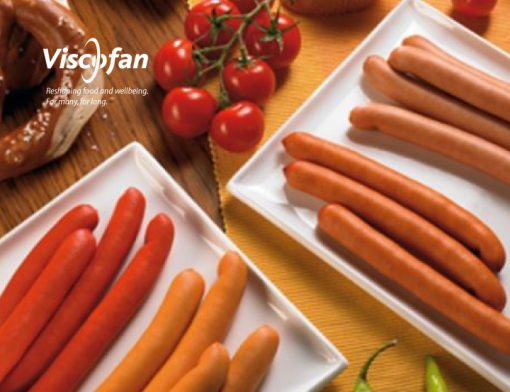
- salami, cooked frankfurter, and chorizo.
How many twists are necessary?
This may change depending on the product and the caliber.
Choosing the best supplier
As said above, cold meats consumers are becoming more demanding, so it’s essential to carefully and responsibly choose the ideal collagen casings supplier. One of the most notable companies in the industry is Viscofan, a leading world producer and creator of the TRIPA 4.0 campaign focused on market disruption.
The company also has its own line of edible vegetable products, Viscofan Veggie, reaching consumers who prioritize the ingestion of vegan proteins. Viscofan is a company that supports new consumption habits and emphasizes that market trends require constant innovation.
As global leaders in meat product packages, their objective is to drive more value to customers, prioritizing quality, sustainability, dietary safety, and hygiene.
Now that your questions about collagen casings were answered, if you’re looking to give flavor, color, and standards to your cold meats while also improving productivity, we encourage you to take a look at our solutions and learn more about the advantages.
Did you like our tips? Give us a like on our Facebook page and stay up to date on the latest news about this topic!